
Exploring the History and Philosophy Behind the Practice of Yoga

Introduction to Yoga
Welcome to a journey of self-discovery and inner peace. Today, we delve into the ancient practice that has stood the test of time – yoga. From its origins in mystical India to its modern-day popularity worldwide, yoga offers more than just physical exercise; it embodies a philosophy that unites mind, body, and spirit. Join us as we explore the fascinating history and profound wisdom behind this transformative practice.
The Origins of Yoga: From Ancient India to Modern Times
The practice of yoga traces its roots back to ancient India, where it was developed thousands of years ago by sages seeking spiritual enlightenment and harmony. These early practitioners delved deep into the connection between the mind, body, and spirit, laying the foundation for what we know as yoga today.
Over time, yoga evolved from a purely spiritual practice to encompass physical postures and breathing techniques that promote health and well-being. As it spread beyond India’s borders, different schools of yoga emerged, each with its own unique focus and approach.
In modern times, yoga has become a global phenomenon embraced by people from all walks of life. From busy city dwellers looking to de-stress to athletes seeking improved performance, the benefits of yoga are widely recognized and celebrated.
Today, as we unroll our mats in studios or practice online from the comfort of our homes, we carry on a tradition that spans centuries—a timeless journey inward towards self-discovery and inner peace.
The Philosophy of Yoga: Understanding the Mind-Body Connection
Yoga is more than just physical postures and poses – it delves deep into the philosophy of the mind-body connection. The ancient yogis believed that a harmonious relationship between the body and mind was essential for overall well-being.
The philosophy of yoga teaches us to be present in the moment, to listen to our bodies, and to quiet the chatter of our minds. By focusing on breath control, meditation, and self-awareness, practitioners can cultivate inner peace and balance.
Through mindfulness practices like yoga nidra or loving-kindness meditation, individuals can tap into their inner wisdom and connect with their true selves. This union of body and mind creates a sense of wholeness that extends beyond the physical practice on the mat.
In today’s fast-paced world, embracing the philosophy of yoga can offer a sanctuary for mental clarity amidst chaos. It invites us to explore our inner landscapes with compassion and curiosity, ultimately leading us towards greater self-discovery and personal transformation.
The Different Types of Yoga and Their Benefits
Yoga comes in various forms, each offering unique benefits to the mind and body. Hatha yoga focuses on physical postures and breathing exercises, perfect for beginners looking to build strength and flexibility. Vinyasa yoga is more dynamic, flowing from one pose to another with synchronized breath.
For those seeking a meditative practice, there’s Kundalini yoga which incorporates chanting, meditation, and breathing techniques to awaken spiritual energy. Power yoga boosts endurance and stamina through intense sequences that challenge both the body and mind.
Restorative yoga emphasizes relaxation and rejuvenation by holding gentle poses for extended periods while practicing deep breathing. Bikram or hot yoga takes place in a heated room, promoting detoxification through sweat while enhancing flexibility.
No matter your preference or fitness level, there’s a type of yoga that can cater to your needs and goals. Experimenting with different styles can help you discover what resonates best with you on your journey towards holistic well-being.
How Yoga is Practiced Today: From Traditional Classes to Online Platforms
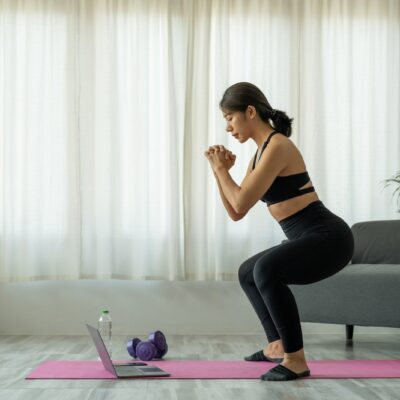
In today’s fast-paced world, the practice of yoga has evolved beyond traditional studio classes to embrace the digital age. Online platforms now offer a convenient way for people to access yoga anytime, anywhere. Whether you’re a beginner or an experienced yogi, there are virtual classes tailored to suit your needs and schedule.
From live-streamed sessions with renowned instructors to pre-recorded videos that you can replay at your own pace, the options are endless. Virtual communities also provide a sense of connection and support, even from miles away.
Practicing yoga online allows for flexibility in choosing the style and duration of each session, making it easier to incorporate into busy lifestyles. With just a click of a button, you can roll out your mat in the comfort of your home or even during travel.
The accessibility of online platforms has truly revolutionized how we engage with this ancient practice in modern times.
Common Misconceptions About Yoga
One common misconception about yoga is that it’s only for the flexible and the spiritual. In reality, yoga is a practice for everyone, regardless of age or fitness level. It can be adapted to suit individual needs and goals.
Another misconception is that you have to be able to touch your toes or twist like a pretzel to do yoga. The beauty of this ancient practice lies in its ability to meet you where you are and help you progress at your own pace.
Some people think that yoga is just about physical postures, but it goes beyond that. Yoga encompasses breathing techniques, meditation, and ethical principles that promote holistic well-being.
There’s also a belief that practicing yoga means having to chant mantras or adopt certain religious beliefs. While some traditions incorporate these elements, they are not mandatory for everyone who practices yoga.
Understanding these misconceptions can help more people feel encouraged to explore the wonderful world of yoga without feeling intimidated by preconceived notions.
Conclusion: Embracing the Mindful Practice of Yoga in Our Lives
Yoga, with its rich history and profound philosophy, offers much more than just physical exercise. It provides a holistic approach to well-being by connecting the mind, body, and spirit. By embracing the mindful practice of yoga in our lives, we can cultivate self-awareness, reduce stress, improve flexibility and strength, and enhance our overall quality of life.
Whether you prefer traditional classes or online platforms, there are various types of yoga to suit your needs and goals. From Hatha for beginners to Ashtanga for more advanced practitioners, each style brings unique benefits that extend beyond the physical realm.
By understanding the origins and philosophy behind yoga while dispelling common misconceptions about this ancient practice, we open ourselves up to a world of inner peace and balance. So next time you roll out your mat or join an online session, remember that yoga is not just about striking poses – it’s about finding harmony within yourself and with the world around you.
Let’s continue to explore the depths of yoga practice with curiosity and an open heart. Embrace its teachings both on and off the mat as we strive towards a more mindful way of living. Yoga is not just a form of exercise; it is a journey towards self-discovery and transformation. Namaste!