
Yoga for Beginners: A Step-by-Step Guide to Incorporating Health Yoga into Your Routine
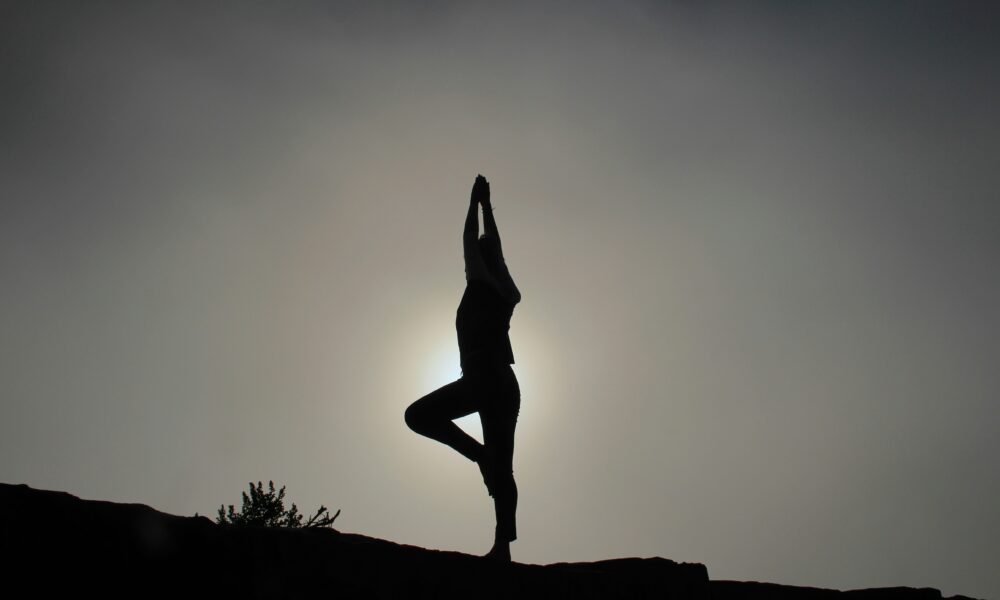
Are you looking to enhance your physical and mental well-being while finding inner peace and balance in today’s fast-paced world? Look no further than the ancient practice of yoga! Whether you’re a beginner or have some experience, incorporating yoga into your routine can bring a host of benefits. In this guide, we’ll explore the world of yoga for beginners, from its various types to essential tips for starting and sticking with your practice. Let’s dive in and discover how you can embrace the transformative power of yoga in your daily life!
Benefits of Practicing Yoga Regularly
Practicing yoga regularly offers a multitude of benefits for both the body and mind. From increased flexibility and strength to improved posture and balance, yoga helps enhance physical well-being. The gentle movements and poses also promote relaxation, reducing stress levels and calming the nervous system.
Moreover, incorporating yoga into your routine can boost mental clarity and focus, aiding in mindfulness and self-awareness. By connecting breath with movement, practitioners cultivate a sense of inner peace and harmony within themselves. This meditative aspect of yoga fosters emotional stability and resilience in facing life’s challenges.
Additionally, engaging in regular yoga sessions can contribute to better sleep quality, promoting restful nights and overall well-rested days. The holistic nature of yoga makes it a versatile practice that caters to individuals seeking not just physical fitness but also mental rejuvenation. Start reaping these incredible benefits by embracing a regular yoga routine today!
Different Types of Yoga and Their Focus
When it comes to yoga, there are various types to explore, each with its own focus and benefits. Hatha yoga is a gentle introduction that emphasizes basic poses and breathing techniques. Vinyasa, on the other hand, focuses on fluid movements coordinated with breath.
For those seeking a more intense workout, Power Yoga might be the way to go as it incorporates strength-building poses at a faster pace. If relaxation is your goal, Yin Yoga involves holding gentle stretches for longer periods to target deep connective tissues.
Bikram Yoga takes place in a heated room and follows a specific sequence of 26 poses aimed at detoxifying the body. Ashtanga Yoga is a structured practice involving six series of sequenced poses designed to build strength and flexibility over time.
Iyengar Yoga uses props like blocks and straps to help achieve proper alignment in each pose. Whether you prefer something energetic or restorative, there’s a type of yoga out there for everyone!
How to Get Started: Finding the Right Class or Practice for You
So, you’ve decided to give yoga a try – that’s fantastic! But with so many different styles and classes out there, it can be overwhelming to know where to start.
First things first, consider what your goals are. Are you looking for a gentle practice to relax and de-stress? Or maybe you want something more physically challenging to build strength and flexibility.
Research the various types of yoga such as Hatha, Vinyasa, or Bikram to see which one aligns best with your objectives. Each style has its own focus and intensity level, so finding the right fit is crucial for your enjoyment and progress.
Once you have an idea of what type of class you’re interested in, look for studios or online platforms that offer those specific practices. Many places offer beginner-friendly classes or workshops designed to ease newcomers into the world of yoga.
Remember that finding the right class may take some trial and error, but don’t get discouraged if the first one isn’t perfect – keep exploring until you find a practice that resonates with you!
Essential Yoga Equipment and Attire
When it comes to practicing yoga, having the right equipment and attire can make a significant difference in your overall experience. A high-quality yoga mat is essential for providing cushioning and support during poses, ultimately enhancing your practice. Look for a non-slip mat to help you stay stable and focused throughout your session.
Comfortable clothing that allows for freedom of movement is key when practicing yoga. Opt for breathable fabrics that wick away moisture to keep you dry and comfortable as you flow through different poses. Consider investing in leggings or shorts with a good amount of stretch to ensure ease of movement.
Additionally, having a water bottle handy is important to stay hydrated throughout your practice. Proper hydration is crucial for maintaining energy levels and preventing fatigue during longer sessions. Don’t forget a towel to wipe away sweat and maintain cleanliness while on the mat.
Consider incorporating props such as blocks, straps, or bolsters into your practice to enhance alignment and provide additional support when needed. These tools can help deepen stretches and improve flexibility over time.
Basic Poses for Beginners
When starting your yoga journey as a beginner, mastering basic poses is key. These foundational poses not only help build strength and flexibility but also lay the groundwork for more advanced practices.
One of the most common beginner poses is Mountain Pose (Tadasana), where you stand tall with feet hip-width apart, grounding yourself into the earth below. This pose helps improve posture and balance.
Another essential pose is Downward-Facing Dog (Adho Mukha Svanasana), which stretches the entire body while building upper body strength. Begin on hands and knees, lifting your hips towards the sky in an inverted V-shape.
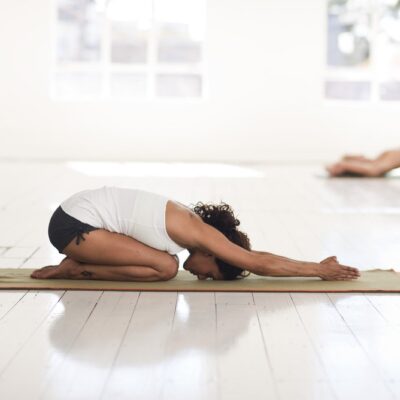
Child’s Pose (Balasana) is a restful pose that helps release tension in the back, shoulders, and chest. Kneel on the floor with toes touching and sit back on your heels while reaching arms forward.
As you progress in your practice, these basic poses will form a solid foundation for exploring more challenging postures.
Tips for Sticking with Your Yoga Routine
One of the keys to maintaining a consistent yoga practice is setting realistic goals for yourself. Start with small steps and gradually increase the intensity and duration of your sessions as you progress.
Find a routine that fits into your lifestyle seamlessly. Whether it’s practicing first thing in the morning or unwinding with yoga before bed, choose a time that works best for you and stick to it.
Accountability can be a powerful motivator. Consider joining a class or finding a yoga buddy to help keep you accountable and motivated on those days when motivation may wane.
Don’t be too hard on yourself if you miss a session or struggle with certain poses. Remember that every practice is an opportunity for growth, both physically and mentally.
Mix things up by exploring different styles of yoga or trying out new poses to keep things interesting and prevent boredom from setting in. Variety can help keep your practice fresh and exciting over time.
Incorporating Yoga into Your Daily Life
Incorporating yoga into your daily life is a journey towards improved health, mindfulness, and well-being. By starting with the basic poses for beginners and gradually building up your practice, you can experience the numerous benefits that yoga has to offer.
Remember to listen to your body, find a type of yoga that resonates with you, and make time for regular practice. Whether it’s finding moments of stillness in the morning or unwinding after a long day with some gentle stretches, integrating yoga into your routine can have a transformative impact on both your physical and mental health.
So roll out your mat, take a deep breath, and embrace the practice of yoga. Namaste!