
The Importance of Sunscreen: A Shield Against Sun Damage
Sunscreen is an essential part of any skincare routine, regardless of your skin type or location. Protecting your skin from the harmful effects of the sun’s ultraviolet (UV) rays is crucial for preventing sunburn, premature aging, and skin cancer.
- The Dangers of Sun Exposure: Understanding UV Rays: Understanding the different types of UV rays and their harmful effects on the skin.
- Sunburn: A Warning Sign of Skin Damage: Recognizing the signs and symptoms of sunburn and the importance of avoiding it.
- Skin Cancer: A Serious Threat: Understanding the risks of skin cancer and the role of sun exposure in its development.
Choosing the Right Sunscreen: SPF and Ingredients
When choosing a sunscreen, it’s important to select a product with a broad-spectrum SPF of 30 or higher. This means the sunscreen protects against both UVA and UVB rays. Additionally, look for sunscreens that contain ingredients like zinc oxide or titanium dioxide, which provide physical protection against the sun’s rays.
- SPF: Understanding the Sun Protection Factor: Knowing what SPF means and why it’s important for sun protection.
- Broad-Spectrum Protection: Protecting Against UVA and UVB Rays: Understanding the difference between UVA and UVB rays and why it’s important to protect against both.
- Ingredients to Look For: Physical vs. Chemical Sunscreens: Exploring the different types of sunscreen ingredients and their benefits.
Applying Sunscreen Properly: Maximizing Protection
To ensure optimal protection, it’s essential to apply sunscreen correctly. Here are some tips for applying sunscreen:
- Quantity Matters: Applying Enough Sunscreen: Using the recommended amount of sunscreen to ensure adequate protection.
- Reapplying Regularly: Maintaining Protection Throughout the Day: Reapplying sunscreen every two hours, especially after swimming or sweating.
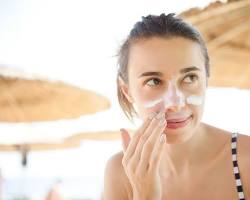
- Protecting Sensitive Areas: Don’t Forget Your Face, Neck, and Ears: Ensuring that you protect all exposed areas of your skin, including your face, neck, and ears.
Sun Safety Tips: Beyond Sunscreen
In addition to applying sunscreen, there are other steps you can take to protect your skin from the sun.
- Seek Shade: Avoiding Peak Sun Hours: Seeking shade during peak sun hours, typically between 10 a.m. and 4 p.m.
- Protective Clothing: Covering Up: Wearing protective clothing, such as hats, sunglasses, and long sleeves, to minimize sun exposure.
- Check Your Skin Regularly: Early Detection of Skin Cancer: Conducting regular self-exams to check for any changes in your skin.
Sunscreen for Children: Protecting Young Skin
Children’s skin is more sensitive than adult skin and requires special attention when it comes to sun protection.
- Choosing the Right Sunscreen for Children: Selecting a sunscreen that is specifically formulated for children and free of harmful chemicals.
- Applying Sunscreen to Children: Ensuring Proper Protection: Applying sunscreen to children frequently and ensuring they are adequately protected from the sun.
- Educating Children About Sun Safety: Teaching children about the importance of sun protection and encouraging them to wear sunscreen and seek shade.
Sunscreen Myths Debunked: Separating Fact from Fiction
There are many myths surrounding sunscreen. Here are a few common misconceptions:
- Myth: Sunscreen Makes You Tan Slower: Sunscreen does not prevent you from tanning; it simply protects your skin from harmful UV rays.
- Myth: Waterproof Sunscreen Lasts All Day: Sunscreen may claim to be waterproof, but it still needs to be reapplied regularly, especially after swimming or sweating.
- Myth: You Don’t Need Sunscreen on Cloudy Days: UV rays can penetrate clouds, so it’s important to wear sunscreen even on cloudy days.
Conclusion: A Shield Against Sun Damage
Sunscreen is a vital tool for protecting your skin from the harmful effects of the sun. By choosing the right sunscreen, applying it correctly, and taking other sun safety measures, you can significantly reduce your risk of sunburn, premature aging, and skin cancer.