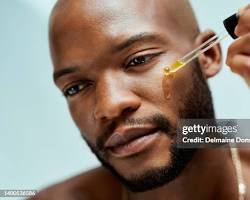

Skincare for All Skin Tones: Inclusive Beauty

Understanding Skin Tone: A Spectrum of Beauty
Skin tone is a complex and diverse characteristic influenced by genetics, melanin production, and environmental factors. Embracing and celebrating all skin tones is essential for promoting inclusivity and self-acceptance.
- The Spectrum of Skin Tones: A Diverse Range: Understanding the wide range of skin tones and appreciating the beauty of each.
- Melanin: The Pigment That Colors Our Skin: Exploring the role of melanin in determining skin tone and its variations.
- Factors Affecting Skin Tone: Genetics and Environmental Influences: Understanding the factors that influence skin tone, including genetics and exposure to sunlight.
Skincare Needs for Different Skin Tones: Tailored Tips
While general skincare principles apply to all skin tones, specific considerations may be necessary based on individual skin characteristics.
- Dark Skin Tones: Addressing Hyperpigmentation and Melasma: Tips for managing hyperpigmentation and melasma in darker skin tones.
- Light Skin Tones: Protecting Against Sun Damage: Strategies for protecting light skin tones from sun damage and preventing premature aging.
- Olive Skin Tones: Balancing Oil Production: Tips for managing oily skin and preventing acne breakouts in olive skin tones.
Skincare Products for All Skin Tones: Inclusive Options
The beauty industry has made significant strides in offering skincare products that cater to a diverse range of skin tones.
- Sunscreen for All Skin Tones: Protecting Against Harmful Rays: The importance of using sunscreen with a broad-spectrum SPF of 30 or higher for all skin tones.
- Foundation and Concealer: Finding the Perfect Match: Tips for selecting foundation and concealer shades that complement your skin tone.
- Moisturizers for All Skin Types: Hydrating and Nourishing: Choosing moisturizers that are suitable for your specific skin type and concerns.
Addressing Common Skin Concerns for All Skin Tones
- Hyperpigmentation: Treating Dark Spots: Strategies for addressing hyperpigmentation, including the use of brightening ingredients and sun protection.
- Acne: Managing Breakouts Across Skin Tones: Tips for managing acne, regardless of skin tone, including gentle cleansing, avoiding comedogenic products, and using targeted treatments.
- Dryness: Preventing Flaking and Roughness: Strategies for preventing dryness and maintaining a hydrated complexion for all skin tones.
Skincare for Sensitive Skin: Gentle and Nourishing
Sensitive skin can be challenging to manage, regardless of skin tone. Here are some tips for those with sensitive skin:
- Identifying Triggers: Avoiding Irritants: Identifying potential irritants and avoiding them to prevent skin reactions.
- Gentle Products: Choosing the Right Ingredients: Selecting gentle, hypoallergenic skincare products that are free of harsh chemicals and fragrances.
- Patch Testing: Preventing Allergic Reactions: Patch testing new products before applying them to your entire face.
Self-Care and Body Positivity: Embracing Your Unique Beauty
A positive mindset and self-care practices can contribute to healthy and radiant skin.
- Body Positivity: Celebrating Your Unique Beauty: Embracing your natural skin tone and celebrating your unique beauty.
- Self-Care: Prioritizing Your Well-being: Incorporating self-care practices, such as relaxation techniques and stress management, into your daily routine.
- Challenging Beauty Standards: Embracing Diversity: Challenging unrealistic beauty standards and promoting inclusivity in the beauty industry.
Conclusion: Inclusive Beauty for All
By understanding your skin tone and addressing specific concerns, you can create a personalized skincare routine that promotes healthy, radiant skin. Embracing diversity and celebrating your unique beauty is essential for promoting inclusivity and self-acceptance in the beauty industry.