

Revolutionizing Connectivity: The Role of 5G in Tomorrow’s World
Introduction
5G, the fifth generation of cellular technology, is poised to transform industries and redefine our digital experiences. With its unprecedented speed, low latency, and massive connectivity, 5G promises to revolutionize everything from communication and entertainment to healthcare and transportation. In this article, we will explore the key features of 5G technology, its potential applications, and the impact it is likely to have on our world.
Key Features of 5G Technology
- Enhanced Speed: 5G offers significantly faster download and upload speeds compared to previous generations of cellular technology. This will enable new applications and services that require high-bandwidth and low-latency connectivity.
- Low Latency: 5G has a much lower latency than 4G, meaning there is a shorter delay between sending and receiving data. This is crucial for applications like real-time gaming, virtual reality, and autonomous vehicles.
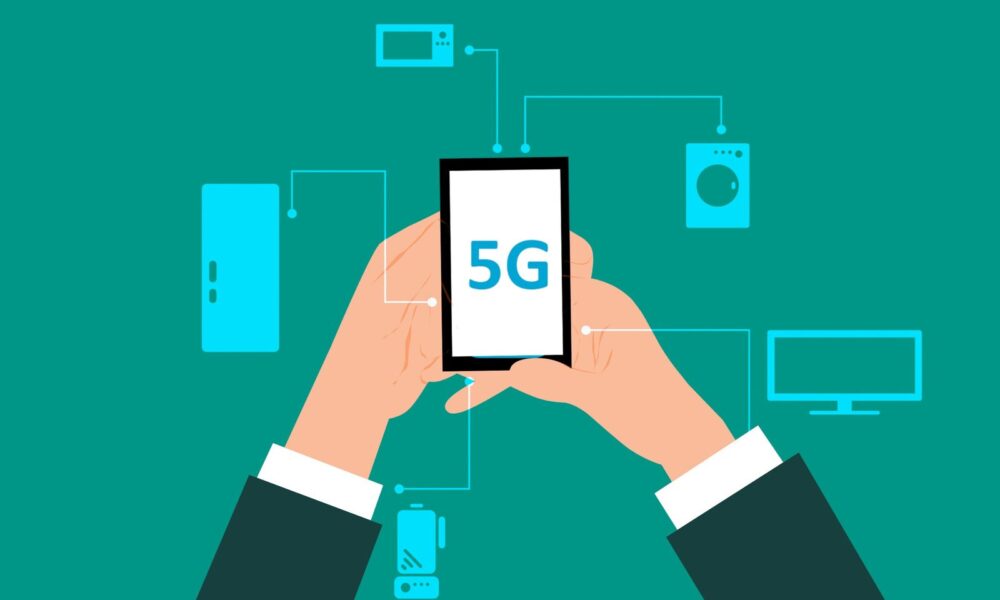
- Massive Connectivity: 5G can support a much larger number of devices per square kilometer than previous generations. This will enable the widespread deployment of IoT (Internet of Things) devices and create new opportunities for smart cities and industrial automation.
- Network Slicing: 5G networks can be divided into virtual networks, or “slices,” to meet the specific needs of different applications. This flexibility will enable service providers to offer tailored solutions for various industries.
Applications of 5G Technology
- Enhanced Mobile Broadband: 5G will provide significantly faster and more reliable mobile internet access, enabling new applications like augmented reality, virtual reality, and high-definition video streaming.
- Internet of Things (IoT): 5G will support the widespread deployment of IoT devices, connecting everything from smart homes to industrial machinery. This will lead to increased efficiency, automation, and data-driven insights.
- Smart Cities: 5G will be a key enabler of smart cities, enabling connected infrastructure, intelligent transportation systems, and efficient resource management.
- Healthcare: 5G can revolutionize healthcare by enabling remote monitoring, telemedicine, and real-time data analysis.
- Autonomous Vehicles: 5G will provide the necessary connectivity and low latency for the development and deployment of autonomous vehicles.
- Industrial Automation: 5G can enable advanced automation and robotics in manufacturing and other industries, leading to increased productivity and efficiency.
Challenges and Opportunities
While 5G offers immense potential, there are also challenges to be addressed. These include the need for massive infrastructure investments, spectrum allocation, and addressing security and privacy concerns. However, by overcoming these challenges, 5G can create significant economic opportunities and improve our quality of life.
The Future of 5G
As 5G technology continues to evolve, we can expect to see even more innovative applications and services emerge. 5G will play a crucial role in driving digital transformation, creating new business models, and improving our daily lives. By embracing the potential of 5G, we can shape a future that is more connected, efficient, and sustainable.
Conclusion
5G is a transformative technology that has the potential to revolutionize industries and reshape our world. Its enhanced speed, low latency, and massive connectivity will enable new applications and services that were previously unimaginable. While there are challenges to be overcome, the benefits of 5G are significant. By embracing this technology, we can unlock a new era of innovation and progress.