
Functional Fitness: Training for Everyday Life

Introduction
Functional fitness is a training approach that focuses on improving your ability to perform everyday tasks and activities with ease and efficiency. Unlike traditional bodybuilding or cardio workouts, functional fitness emphasizes functional movements that mimic real-life activities, such as lifting, squatting, pushing, pulling, and balancing.
Benefits of Functional Fitness
- Improved Daily Function: Functional fitness can help you perform everyday tasks with greater ease, such as carrying groceries, climbing stairs, or lifting heavy objects.
- Enhanced Athletic Performance: Functional fitness can improve your athletic performance in various sports by enhancing strength, power, and coordination.
- Reduced Risk of Injuries: Strong functional muscles can help prevent injuries by providing stability and support.
- Improved Balance and Coordination: Functional fitness exercises can enhance your balance and coordination, reducing your risk of falls.
- Boosted Confidence: Achieving your fitness goals through functional training can boost your confidence and self-esteem.
Key Components of Functional Fitness
- Strength Training: Incorporate exercises that target multiple muscle groups simultaneously, such as squats, lunges, deadlifts, push-ups, and pull-ups.
- Cardiovascular Exercise: Engage in activities that elevate your heart rate, such as running, cycling, swimming, or HIIT workouts.
- Flexibility and Mobility: Improve your range of motion and prevent injuries with regular stretching and mobility exercises.
- Core Strength: Strengthen your core muscles, including your abs, obliques, and lower back, for improved stability and balance.
- Balance and Coordination: Practice exercises that challenge your balance and coordination, such as standing on one leg or performing bodyweight exercises on an unstable surface.
Creating a Functional Fitness Routine
- Warm-Up: Begin each workout with a dynamic warm-up to prepare your muscles for activity.
- Workout Structure: Incorporate a variety of exercises that target different muscle groups and movements.
- Progressive Overload: Gradually increase the intensity, duration, or frequency of your workouts to continue making progress.
- Listen to Your Body: Pay attention to your body’s signals and adjust your workouts accordingly.
- Rest and Recovery: Allow your body sufficient time to recover between workouts to prevent overtraining and optimize results.
Functional Fitness Exercises
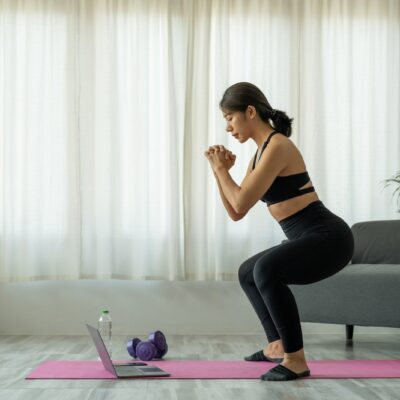
- Squats: A fundamental exercise that targets your legs, core, and glutes.
- Lunges: Work your legs, core, and glutes while improving balance and coordination.
- Deadlifts: A full-body exercise that targets your hamstrings, glutes, back, and core.
- Push-Ups: A classic bodyweight exercise that strengthens your chest, shoulders, triceps, and core.
- Pull-Ups: A challenging exercise that targets your back, biceps, and forearms.
- Rows: Work your back, biceps, and core with rowing exercises, such as bent-over rows or seated rows.
- Plank: A core-strengthening exercise that engages your abs, obliques, and lower back.
- Burpees: A full-body exercise that combines jumping, squats, push-ups, and a jump-up.
Tailoring Functional Fitness to Your Goals
- Athletic Performance: Incorporate exercises that mimic the movements of your sport to improve performance.
- Injury Prevention: Focus on exercises that strengthen the muscles and joints involved in your daily activities.
- Weight Loss: Combine functional fitness with a balanced diet to support weight loss goals.
- General Fitness: A well-rounded functional fitness routine can improve overall health and fitness.
Common Mistakes to Avoid
- Overtraining: Listen to your body and avoid overtraining to prevent injuries and burnout.
- Improper Form: Focus on using correct form to prevent injuries and maximize the effectiveness of your exercises.
- Neglecting Rest and Recovery: Ensure you get enough sleep and rest to allow your body to recover and adapt.
- Lack of Consistency: Stick to your workout routine and make it a priority to achieve your fitness goals.
Conclusion
Functional fitness is a holistic approach to fitness that focuses on improving your ability to perform everyday tasks and activities. By incorporating functional exercises into your workout routine, you can enhance your overall health, fitness, and quality of life. Remember, consistency, proper form, and a balanced approach are key to achieving your fitness goals.