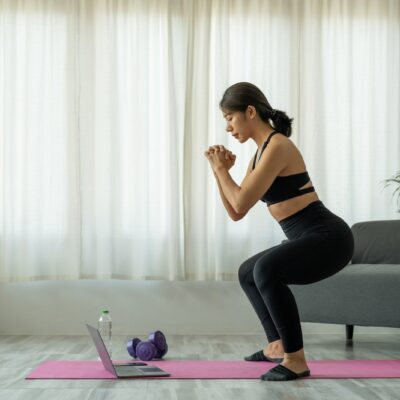

Prenatal Yoga: Nurturing Your Body and Baby

Introduction
Prenatal yoga, a specialized form of yoga designed for pregnant women, offers a multitude of benefits for both mother and baby. By incorporating gentle yoga poses, breathing techniques, and relaxation exercises, prenatal yoga can help you prepare your body for childbirth, reduce stress, and foster a deep connection with your unborn child. In this comprehensive guide, we will explore the benefits of prenatal yoga, essential poses, and practical tips for incorporating yoga into your pregnancy journey.
Benefits of Prenatal Yoga
- Improved Flexibility: Prenatal yoga can help increase your flexibility, making it easier to move comfortably during pregnancy and childbirth.
- Reduced Pain and Discomfort: Yoga can alleviate common pregnancy discomforts, such as back pain, hip pain, and fatigue.
- Enhanced Strength and Endurance: Prenatal yoga can help strengthen your core, pelvic floor muscles, and upper body, preparing you for the physical demands of childbirth.
- Improved Circulation: Yoga can improve blood flow to your body and baby, promoting optimal fetal development.
- Reduced Stress and Anxiety: Prenatal yoga can help reduce stress and anxiety, which can benefit both mother and baby.
- Enhanced Connection with Your Baby: Prenatal yoga can foster a deep connection between you and your unborn child, promoting a positive bonding experience.
Essential Prenatal Yoga Poses
- Cat-Cow Pose: This gentle sequence can help relieve back pain and improve spinal flexibility.
- Downward-Facing Dog: This pose stretches your hamstrings, calves, and shoulders while strengthening your arms and legs.
- Mountain Pose: This pose helps improve posture and align your body.
- Warrior I and II: These poses strengthen your legs, core, and shoulders, preparing you for childbirth.
- Triangle Pose: This pose stretches your sides, legs, and chest, improving flexibility and balance.
- Supported Bridge Pose: This pose can help alleviate back pain and improve pelvic floor strength.
- Child’s Pose: This gentle pose can help relax your body and reduce stress.
Incorporating Prenatal Yoga into Your Routine
- Start Early: Begin practicing prenatal yoga as soon as your doctor gives you the green light.
- Find a Qualified Instructor: Look for a prenatal yoga instructor who is experienced and knowledgeable about the needs of pregnant women.
- Listen to Your Body: Pay attention to your body’s signals and modify poses as needed.
- Practice Regularly: Aim for at least 2-3 prenatal yoga sessions per week.
- Find a Supportive Community: Join a prenatal yoga class to connect with other expectant mothers.
Addressing Common Concerns
- Safety: Prenatal yoga is generally safe for most pregnant women. However, if you have any concerns or underlying health conditions, consult your doctor before starting a new exercise routine.
- Modifications: Your instructor can provide modifications for poses that may be challenging or uncomfortable.
- Fatigue: If you’re feeling tired, listen to your body and take a break.
- Nausea: If you’re experiencing nausea, try practicing gentle yoga poses and focus on deep breathing.
Conclusion
Prenatal yoga offers a safe and effective way to prepare your body and mind for childbirth. By incorporating yoga into your pregnancy journey, you can experience a multitude of benefits, including improved flexibility, reduced stress, and a deeper connection with your unborn baby. Remember to listen to your body, find a qualified instructor, and enjoy the process of nurturing both yourself and your growing child.