

Electromagnetic Dreams: Innovations that Inspire
Introduction
The field of electronics has witnessed remarkable advancements over the years, shaping the way we live, work, and communicate. From the early days of vacuum tubes to the sophisticated microprocessors of today, electronics have revolutionized countless industries and transformed our world. In this comprehensive guide, we will explore some of the most groundbreaking innovations in electronics that continue to inspire and shape our future.
Artificial Intelligence and Machine Learning
- Revolutionizing Industries: AI and ML are transforming industries such as healthcare, finance, and transportation, enabling machines to learn from data and make intelligent decisions.
- Natural Language Processing: AI-powered NLP systems are enabling machines to understand and respond to human language, revolutionizing fields like customer service and language translation.
- Robotics and Automation: AI-driven robots are being deployed in various industries, from manufacturing to healthcare, to automate tasks and improve efficiency.
The Internet of Things (IoT)
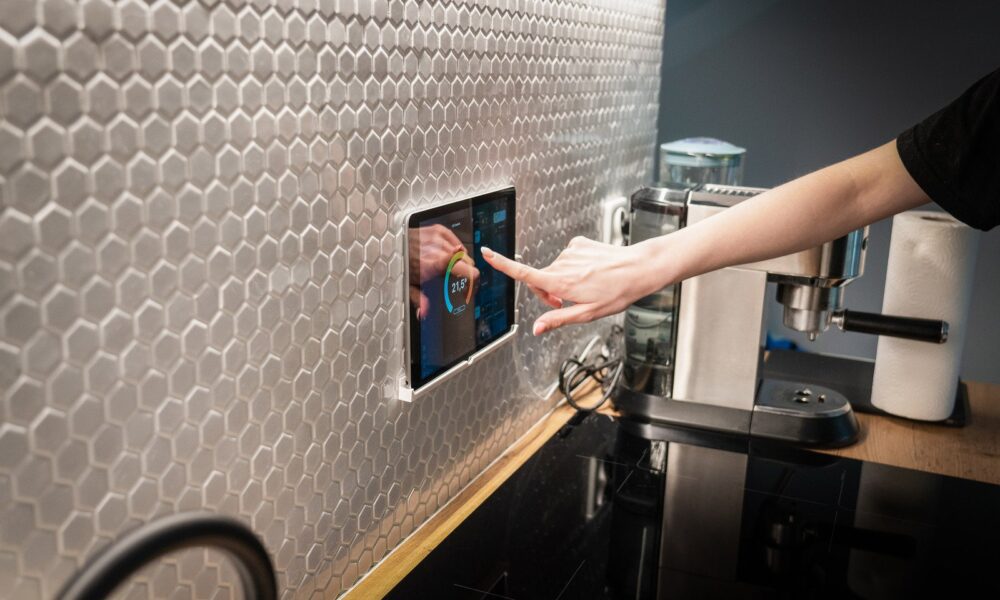
- Connecting the Physical and Digital Worlds: IoT devices are transforming our homes, cities, and industries by connecting physical objects to the internet.
- Smart Homes and Cities: IoT devices are enabling the creation of smart homes and cities, improving energy efficiency, security, and quality of life.
- Industrial IoT: IoT is being used in industrial settings to optimize operations, reduce costs, and improve efficiency.
Wearable Technology
- Fitness Trackers and Smartwatches: Wearable devices have become popular for tracking fitness metrics, monitoring health indicators, and providing notifications.
- Augmented Reality Glasses: AR glasses have the potential to revolutionize how we interact with the world around us, overlaying digital information onto the real world.
- Smart Clothing: Clothes embedded with sensors and electronics can track vital signs, monitor fitness levels, and even adjust temperature based on the wearer’s needs.
5G Connectivity
- Faster Speeds and Lower Latency: 5G networks offer significantly faster speeds and lower latency than previous generations of mobile technology.
- New Applications: 5G will enable new applications and services, such as augmented and virtual reality, autonomous vehicles, and remote surgery.
- Ubiquitous Connectivity: 5G is expected to provide broader and more reliable coverage, ensuring seamless connectivity for users.
Quantum Computing
- Unprecedented Processing Power: Quantum computers have the potential to solve complex problems that are currently intractable for classical computers.
- Applications in Various Fields: Quantum computing could revolutionize fields such as drug discovery, materials science, and cryptography.
- Technological Challenges: While quantum computing holds immense promise, there are still significant technological challenges to overcome before it becomes a practical reality.
Sustainable Electronics
- Environmental Impact: The electronics industry has a significant environmental impact, including the extraction of raw materials, manufacturing processes, and waste disposal.
- Sustainable Materials and Practices: There is a growing focus on developing sustainable electronics, using recycled materials and reducing energy consumption.
- Circular Economy: A circular economy model aims to minimize waste and maximize resource efficiency in the electronics industry.
Ethical Considerations
- Privacy and Security: The increasing reliance on technology raises concerns about privacy and security, as more and more data is collected and stored.
- Job Displacement: Automation and AI could lead to job displacement in certain industries, raising concerns about the future of work.
- Digital Divide: The increasing reliance on technology can exacerbate the digital divide, as access to technology is not evenly distributed.
Conclusion
The field of electronics is constantly evolving, with new innovations emerging at a rapid pace. From wearable technology to artificial intelligence, these advancements are shaping our lives in profound ways. As we continue to explore the possibilities of electronics, it is essential to consider the ethical implications and social impacts of these technologies to ensure a responsible and equitable future for all.