
Understanding Acne: A Common Skin Condition
Acne is a common skin condition that affects people of all ages. It occurs when pores become clogged with oil and dead skin cells, leading to pimples, whiteheads, and blackheads.
- Types of Acne: Mild, Moderate, and Severe: Understanding the different types of acne and their severity.
- Causes of Acne: Hormonal Changes and Genetics: Exploring the underlying causes of acne, including hormonal changes, genetics, and bacterial overgrowth.
- Acne Myths: Debunking Common Misconceptions: Dispelling common myths about acne and avoiding harmful practices.
Skincare for Acne-Prone Skin: A Step-by-Step Guide
A consistent skincare routine is essential for managing acne and preventing breakouts. Follow these steps to keep your skin clear and healthy.
- Gentle Cleansing: Removing Excess Oil and Dirt: Using a gentle cleanser to remove excess oil and dirt from your skin without irritating it.
- Exfoliation: Removing Dead Skin Cells: Exfoliating your skin gently to remove dead skin cells and prevent clogged pores.
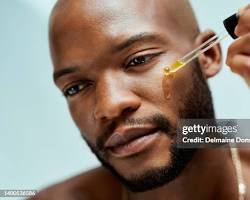
- Spot Treatment: Targeting Acne Breakouts: Using over-the-counter acne spot treatments to reduce inflammation and promote healing.
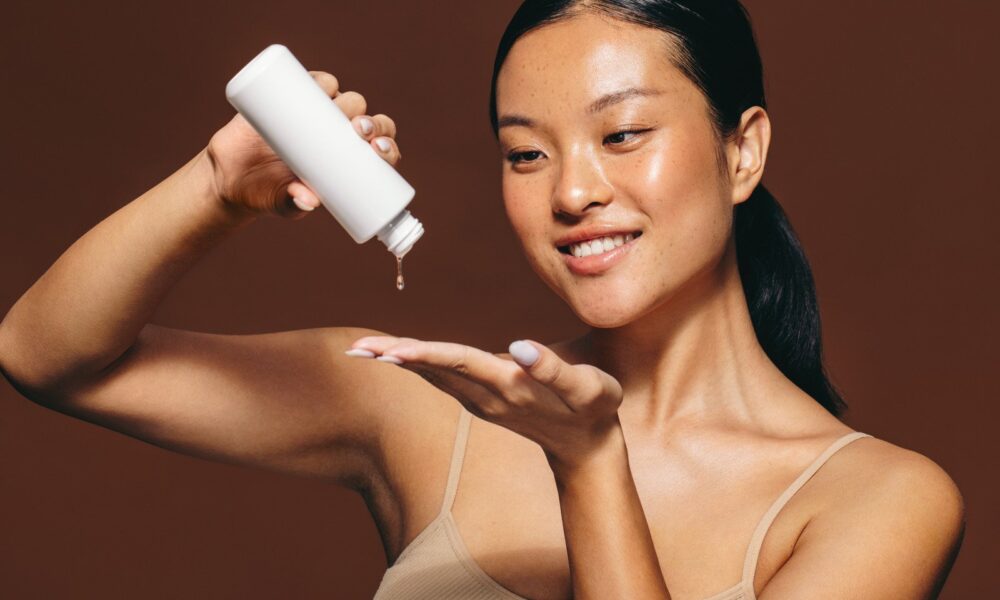
- Moisturizing: Hydrating Your Skin: Applying a non-comedogenic moisturizer to keep your skin hydrated without clogging pores.
- Sunscreen: Protecting Your Skin from Harmful Rays: Applying sunscreen daily to protect your skin from sun damage and prevent post-inflammatory hyperpigmentation.
Prescription Medications: Treating Severe Acne
For severe acne, prescription medications may be necessary. A dermatologist can prescribe medications to help manage your acne and prevent scarring.
- Topical Medications: Applying Directly to the Skin: Understanding the different types of topical medications used to treat acne, such as retinoids, benzoyl peroxide, and antibiotics.
- Oral Medications: Systemic Treatment for Acne: Exploring oral medications, including antibiotics, birth control pills, and anti-androgens, that can be used to treat severe acne.
Lifestyle Factors: Supporting Healthy Skin
In addition to your skincare routine, lifestyle factors can also impact your skin’s health.
- Diet: A Balanced Approach to Nutrition: Understanding the role of diet in acne and incorporating nutrient-rich foods into your diet.
- Stress Management: Reducing Skin Stress: Managing stress through relaxation techniques like meditation and yoga to prevent stress-related acne breakouts.
- Sleep: Restoring and Rejuvenating Your Skin: Getting enough quality sleep to allow your skin to repair and regenerate.
Home Remedies: Natural Solutions for Acne
While home remedies may not be as effective as medical treatments, they can be a helpful addition to your skincare routine.
- Tea Tree Oil: A Natural Antibacterial: Using tea tree oil as a spot treatment to help reduce inflammation and bacteria.
- Apple Cider Vinegar: Balancing Skin pH: Applying diluted apple cider vinegar to your skin to help balance your skin’s pH.
- Aloe Vera: Soothing and Healing: Applying aloe vera gel to your skin to soothe inflammation and promote healing.
Preventing Acne Scars: Minimizing the Appearance of Scars
Acne scars can be a frustrating side effect of acne. Here are some tips for preventing and minimizing the appearance of acne scars.
- Early Treatment: Addressing Acne Promptly: Treating acne promptly can help prevent scarring.
- Sun Protection: Preventing Hyperpigmentation: Protecting your skin from sun exposure to prevent post-inflammatory hyperpigmentation.
- Scar Treatments: Minimizing the Appearance of Scars: Exploring medical treatments, such as laser therapy or chemical peels, to minimize the appearance of acne scars.
Conclusion: A Clear and Radiant Complexion
Managing acne requires a combination of skincare, lifestyle changes, and potentially medical treatments. By following these tips and seeking professional advice when needed, you can achieve clear and radiant skin. Remember, consistency is key, and it may take time to see results.