
Breathe and Flow: Mastering Pranayama Techniques
Introduction
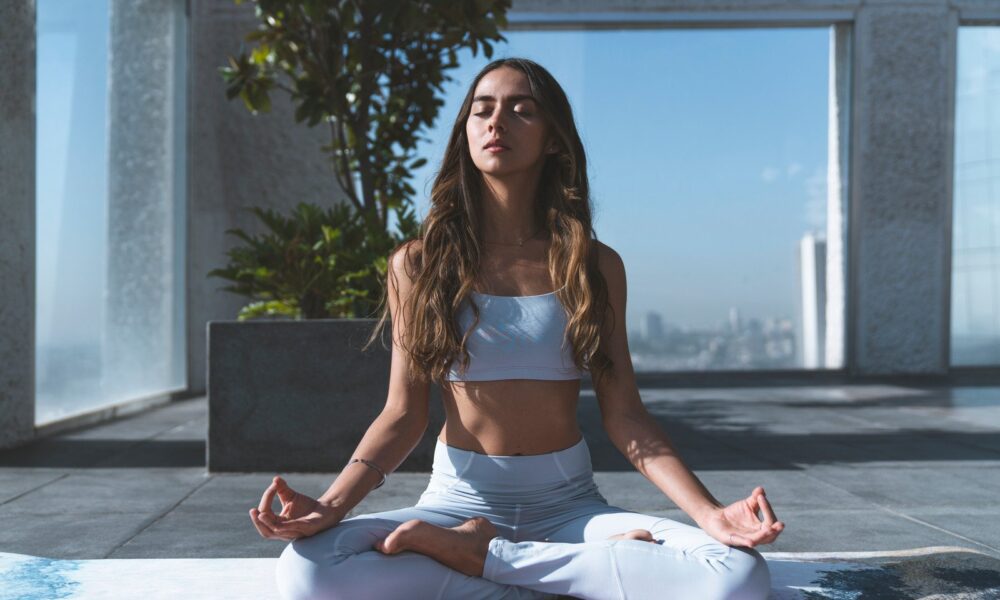
Pranayama, the practice of controlling breath, is an integral part of yoga and meditation. It plays a vital role in physical, mental, and spiritual well-being. By mastering pranayama techniques, you can enhance your overall health, reduce stress, improve concentration, and cultivate a sense of inner peace. In this comprehensive guide, we will explore the different types of pranayama, their benefits, and how to incorporate them into your daily life.
Understanding Pranayama
Pranayama, derived from the Sanskrit words “prana” (life force) and “ayama” (control), refers to the practice of controlling the breath. It involves regulating the rate, depth, and rhythm of your breathing to achieve specific physiological and psychological effects.
Benefits of Pranayama
- Improved Respiratory Function: Pranayama exercises can strengthen your respiratory muscles, improve lung capacity, and enhance oxygen intake.
- Reduced Stress and Anxiety: Deep breathing techniques can activate the parasympathetic nervous system, promoting relaxation and reducing stress.
- Enhanced Mental Clarity and Focus: Pranayama can improve concentration, memory, and mental clarity.
- Improved Cardiovascular Health: Regular pranayama practice can lower blood pressure, reduce heart rate, and improve overall cardiovascular health.
- Boosted Energy Levels: Deep breathing can increase oxygen intake, leading to improved energy levels and reduced fatigue.
Common Pranayama Techniques
- Diaphragmatic Breathing (Deep Belly Breathing):
- Lie down or sit comfortably with your spine straight.
- Place one hand on your chest and the other on your abdomen.
- Inhale deeply through your nose, allowing your abdomen to expand.
- Exhale slowly through your mouth, contracting your abdomen.
- Alternate Nostril Breathing (Nadi Shodhana):
- Sit comfortably with your spine straight.
- Close your left nostril with your left thumb and inhale through your right nostril.
- Exhale through your left nostril.
- Close your right nostril with your right ring finger and inhale through your left nostril.
- Exhale through your right nostril.
- Inhale deeply through your nose, allowing your abdomen to expand.
- Exhale forcefully through your nose, contracting your abdomen.
- Repeat for several cycles, gradually increasing the speed of your exhales.
- Ujjayi Breath (Victorious Breath):
- Sit comfortably with your spine straight.
- Inhale slowly and deeply through your nose, making a soft hissing sound.
- Exhale slowly and deeply through your nose, * Inhale deeply through your nose.
- Close your eyes and gently hum, creating a buzzing sound.
- Exhale slowly through your nose, continuing the humming sound.
Tips for Mastering Pranayama
- Find a Quiet Space: Practice pranayama in a quiet and peaceful environment to minimize distractions.
- Start Slowly: Begin with a few minutes of pranayama practice and gradually increase the duration as you become more comfortable.
- Focus on Your Breath: Pay attention to your breath and avoid judging yourself if your mind wanders.
- Avoid Overexertion: Practice pranayama gently and avoid forcing your breath.
- Consult a Teacher: If you’re new to pranayama, consider seeking guidance from a qualified yoga teacher or meditation instructor.
Incorporating Pranayama into Your Daily Life
- Morning Practice: Start your day with a few minutes of pranayama to improve your mood and focus.
- Before Bed: Practice relaxing pranayama techniques to promote sleep and reduce anxiety.
- Stress Management: Use pranayama to manage stress and anxiety throughout the day.
- Meditation: Combine pranayama with meditation for a deeper state of relaxation and mindfulness.
Conclusion
Pranayama is a powerful tool for improving physical, mental, and spiritual well-being. By mastering these breathing techniques, you can reduce stress, enhance your focus, and cultivate a sense of inner peace. Incorporate pranayama into your daily routine and experience the transformative benefits of this ancient practice.