
Introduction
Color plays a pivotal role in fashion, influencing our mood, perception, and overall style. By strategically incorporating color into your wardrobe, you can transform your appearance, express your personality, and boost your confidence. In this comprehensive guide, we will explore the psychology of color, effective styling techniques, and how to curate a wardrobe that reflects your unique style.
Understanding the Psychology of Color
- Red: Associated with passion, energy, and excitement.
- Blue: Often linked to calmness, trust, and reliability.
- Green: Symbolizes growth, harmony, and renewal.
- Yellow: Represents optimism, happiness, and creativity.
- Orange: Associated with enthusiasm, warmth, and vitality.
- Purple: Symbolizes royalty, luxury, and wisdom.
- Pink: Associated with femininity, sweetness, and compassion.
- Black: Represents elegance, sophistication, and mystery.
- White: Symbolizes purity, innocence, and simplicity.
- Gray: Associated with neutrality, balance, and practicality.
Color Theory and Coordination
- Color Wheel: Understand the color wheel and how different colors complement or contrast each other.
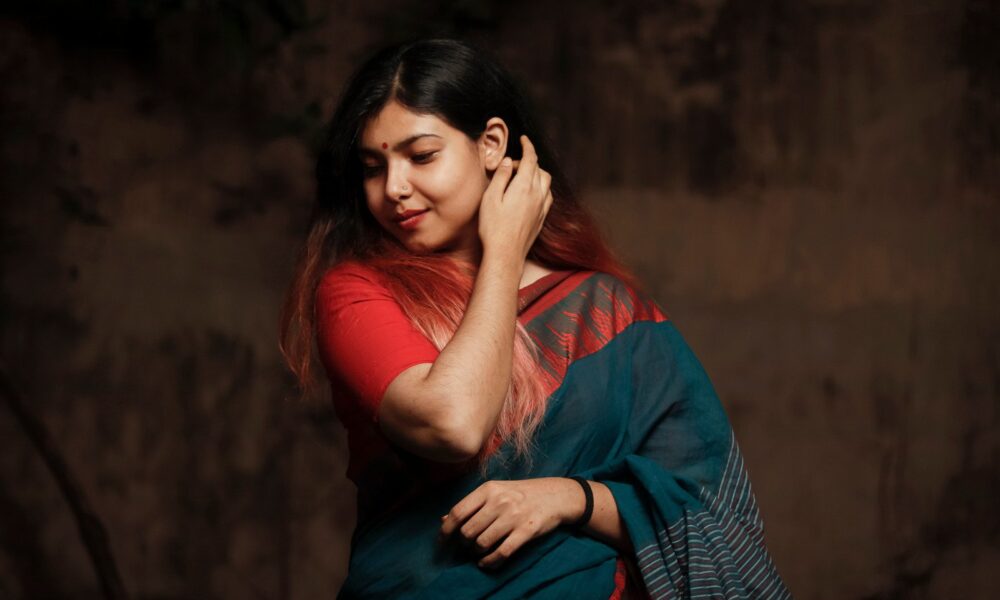
- Monochromatic Color Scheme: Use different shades of the same color for a harmonious and sophisticated look.
- Analogous Color Scheme: Combine colors that are adjacent to each other on the color wheel for a cohesive and visually appealing palette.
- Complementary Color Scheme: Use colors opposite each other on the color wheel for a bold and striking contrast.
- Triadic Color Scheme: Choose three colors that are equally spaced on the color wheel for a vibrant and balanced look.
Incorporating Color into Your Wardrobe
- Start Small: Begin by adding a few colorful pieces to your wardrobe and gradually incorporate more color over time.
- Accessorize with Color: Use accessories like scarves, hats, bags, and jewelry to add pops of color to your outfits.
- Color Blocking: Combine different colors in bold blocks for a striking and modern look.
- Color Grading: Create a gradual transition between colors for a more subtle and sophisticated effect.
- Consider Your Skin Tone: Choose colors that complement your skin tone to enhance your natural beauty.
Color Psychology and Your Mood
- Boost Your Mood: Wear colors that make you feel happy and confident.
- Reduce Stress: Incorporate calming colors like blue and green into your wardrobe.
- Increase Energy: Wear vibrant colors like red and orange to boost your energy levels.
Color Trends and Fashion Statements
- Seasonal Color Palettes: Stay up-to-date on the latest fashion trends and incorporate seasonal color palettes into your wardrobe.
- Statement Colors: Make a bold statement with vibrant and unexpected colors.
- Color Blocking: Embrace the trend of combining bold colors in contrasting blocks.
- Color Coordination: Coordinate your outfits with your home decor or accessories for a cohesive look.
Conclusion
Color plays a powerful role in fashion, influencing our perception, mood, and overall style. By understanding the psychology of color and incorporating it into your wardrobe, you can transform your appearance, express your personality, and boost your confidence. Experiment with different color combinations, find colors that suit you, and let your creativity shine through.