

The Role of Virtual Reality in Modern Entertainment and Training
Introduction
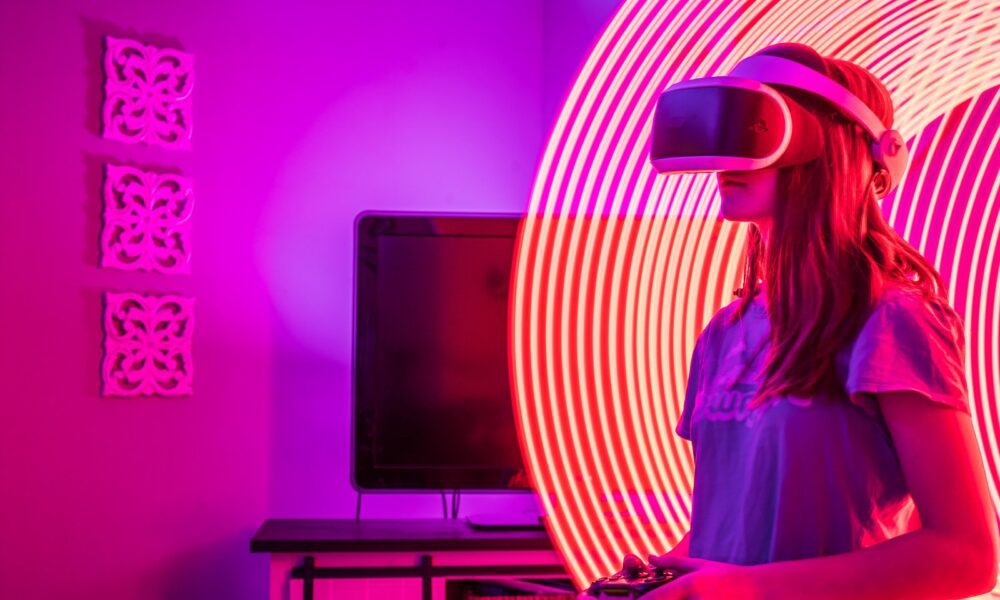
Virtual Reality (VR) has rapidly evolved from a futuristic concept to a tangible technology transforming various industries, particularly entertainment and training. By immersing users in computer-generated environments, VR offers unprecedented levels of engagement and interaction, revolutionizing the way we experience content.
Entertainment Redefined: VR in Gaming, Movies, and Beyond
- Gaming: VR has revolutionized gaming, offering immersive experiences that blur the lines between the real and virtual worlds. From action-packed adventures to interactive storytelling, VR games provide unparalleled levels of engagement.
- Movies and Cinema: VR is transforming the way we experience movies, offering immersive cinematic experiences that go beyond traditional 2D and 3D formats.
- Live Events: VR is being used to bring live events, such as concerts and sports, to audiences who cannot attend in person.
Training and Education: The Power of VR
- Skill Development: VR can be used to train individuals in a wide range of skills, from surgery to flight simulation. By providing realistic and safe environments, VR can accelerate learning and improve performance.
- Product Design and Development: VR can be used to visualize and test product designs before they are manufactured, saving time and resources.
- Historical and Cultural Experiences: VR can transport users to historical events or distant lands, providing immersive and educational experiences.
Challenges and Limitations of VR
- Hardware Limitations: Current VR headsets may have limitations in terms of resolution, comfort, and processing power.
- Motion Sickness: Some users may experience motion sickness or discomfort when using VR headsets.
- Cost: VR headsets and content can be expensive, limiting their accessibility.
The Future of VR
As technology continues to advance, we can expect to see further innovations in VR. Improvements in hardware, software, and content will make VR more accessible, affordable, and immersive. The future of VR holds immense potential for transforming entertainment, education, and other industries.
Specific Applications of VR
- Healthcare: VR is being used for medical training, patient rehabilitation, and pain management.
- Real Estate: VR can be used to virtually tour properties, making the home-buying process more convenient.
- Architecture and Design: VR can be used to visualize architectural designs and create immersive virtual walkthroughs.
- Tourism: VR can offer virtual tours of destinations, allowing users to experience different cultures and landscapes without leaving home.
Conclusion
Virtual Reality has the potential to revolutionize the way we experience entertainment, education, and other aspects of our lives. As technology continues to advance, we can expect to see even more innovative and immersive VR experiences. The future of VR is bright, and its impact on society is likely to be profound.